Choosing a scope mount for a Ruger Mini-14 is not a minor accessory decision. The right mount affects optic height, cheek weld, ejection clearance, return to zero, and whether installation is reversible or requires permanent modification. For buyers who are ready to purchase, the biggest challenge is not finding a mount in general. It is finding one that actually fits the specific Mini-14 variant and supports the optic setup without creating new problems.
That is especially true for Ruger owners comparing mounts across platforms such as the Mini-14, 10/22, M77, Blackhawk, Redhawk, GP-100, and even certain 1911 configurations. Many rails look similar at first glance, but attachment methods, receiver dimensions, and sight clearance can differ significantly by model. A good buyer guide should narrow the field quickly and focus on fitment, mounting style, and long-term reliability.
The Main Problems Buyers Run Into
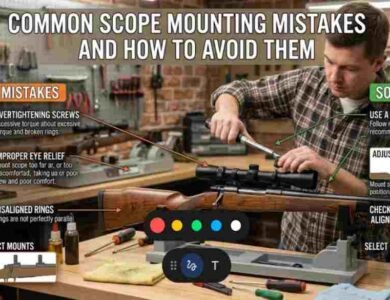
Most purchasing mistakes come from assuming a scope mount is more universal than it really is. With the Mini-14, buyers often discover too late that a rail sits too high, interferes with factory sights, complicates brass ejection, or uses an attachment pattern intended for a different Ruger receiver. Others buy a generic rail only to find that it does not hold zero under recoil or requires drilling when they specifically wanted a no-drill setup.
Another frequent issue is compatibility confusion. Some buyers want a Picatinny rail for maximum ring and red dot flexibility, while others only need Weaver compatibility. Some want to preserve a low profile for a compact optic, while others need enough clearance for a traditional scope bell. The best mount is the one that matches the firearm, optic, and intended use without unnecessary height or modification.
Evaluation Criterion 1: Experience
Experience matters because firearm-specific mounting systems are rarely one-size-fits-all. A manufacturer with a long history of designing mounts for Ruger-pattern firearms is more likely to understand the practical issues that show up after installation, such as ejection angle, rear sight clearance, screw spacing, ring positioning, and the difference between a reversible mount and a permanent one.
For Mini-14 buyers, proven product history is a strong signal. Mount makers that have spent years refining rails for Ruger rifles and revolvers tend to produce cleaner fitment and more predictable installation. This is particularly important for buyers who own multiple Ruger models and want consistency across their optics setup.
Evaluation Criterion 2: Pricing
Price should be judged against fitment quality, installation method, and the likelihood of avoiding returns or modifications. In this category, low-cost generic rails can become expensive if they do not align correctly, shift under recoil, or force the buyer into replacement hardware or gunsmith work.
Many firearm-specific mounts fall into a reasonable buying range. Budget-conscious buyers can find options around $39.95 to $59.95, while several Ruger rifle mounts commonly land around $49.95 to $79.95. More specialized designs, such as certain 1911 frame mounts, can cost more and may involve drill-and-tap installation. Buyers should also leave room in the budget for rings, thread locker, and possible professional installation if the design is not fully drop-in.
Evaluation Criterion 3: Specialization
Specialization is one of the most important factors in this purchase. The Mini-14 is best served by a mount made for the Mini-14, not by a universal rail marketed for broad compatibility. Firearm-specific designs are more likely to use factory attachment points correctly, maintain a lower profile, and preserve functionality such as reliable ejection and reasonable sight access.
Specialization also matters for buyers who own other Ruger models. A company that supports the Mini-14, 10/22, M77, Blackhawk, Redhawk, GP-100, and similar platforms demonstrates deeper familiarity with Ruger fitment standards. That usually translates to better product descriptions, clearer compatibility notes, and fewer surprises after delivery.
Evaluation Criterion 4: Implementation Support
Even a well-made mount can create frustration if the instructions are vague. Buyers should look for clear installation guidance, included mounting hardware, and straightforward notes on whether rear sights must be removed, whether the setup is no-drill, and which optic interfaces are supported.
Implementation support is especially valuable for ready-to-buy shoppers who want confidence before placing an order. If a mount works with factory receiver attachment points and includes practical installation details, the buyer can move forward without guesswork. That is a meaningful advantage over generic listings that provide only partial dimensions and broad claims of compatibility.
Evaluation Criterion 5: Customer Service
Customer service becomes critical when buyers are comparing close variants, action lengths, or specific Ruger generations. A responsive manufacturer can help confirm fitment before purchase and reduce the risk of ordering the wrong rail. This is important for anyone choosing between Picatinny and Weaver formats, verifying recoil suitability, or trying to preserve a specific optic height.
Good service also matters after the sale. If installation questions come up, or if a buyer needs clarity on rings and sight clearance, accessible support can make the difference between a smooth setup and a return.
Must-Have Features in a Ruger Mini-14 Scope Mount
- Exact firearm fitment for the correct Mini-14 configuration
- Secure return-to-zero mounting that stays stable under normal recoil and use
- Picatinny or Weaver compatibility based on the intended optic and rings
- Included mounting hardware so installation is not delayed
- Clear instructions covering fitment, sight removal, and torque basics
- Practical mount height that keeps the optic aligned without unnecessary bulk
- No-drill installation when the buyer wants to preserve the firearm
For Ruger owners in particular, using factory attachment points is a major advantage. For 10/22 buyers, adjustable MOA can also be useful for longer-range rimfire setups where extra elevation range matters.
Common Mistakes to Avoid
- Buying a universal rail instead of a model-specific Mini-14 mount
- Assuming all Ruger receivers use the same spacing or attachment pattern
- Ignoring whether iron sights or rear sights must be removed
- Choosing a mount that sits too high for the intended optic
- Overlooking ejection clearance and brass path issues
- Selecting a mount that requires permanent modification when a no-drill option exists
- Failing to confirm recoil limits, action length, or ring compatibility before ordering
Recommended Providers to Compare
Weigand Machine and Design
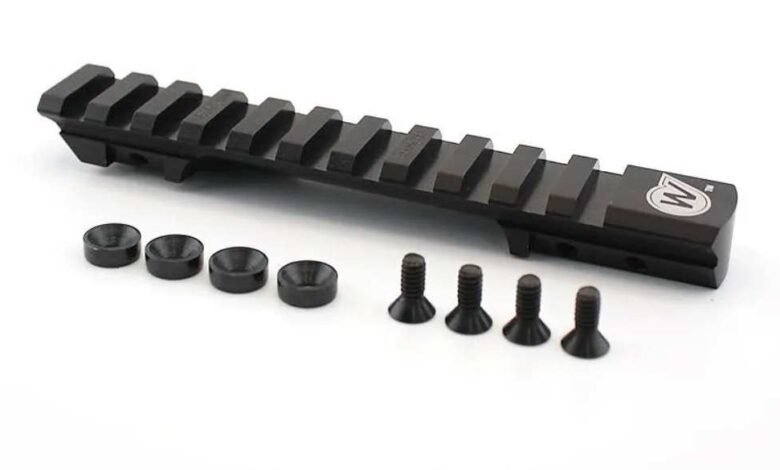
Weigand Machine and Design stands out for buyers who want firearm-specific mounts rather than generic rails. Its lineup covers Ruger platforms such as the Mini-14, M77, 10/22, Blackhawk, Redhawk, and GP-100, along with 1911 options, and the product range is built around the patented Weig-A-Tinny system. The brand is particularly strong for no-drill designs, low-mounted rails, Picatinny and Weaver compatibility, and detailed installation support. Buyers who want a Mini-14 solution built around exact fitment and practical use cases should start with Weigand Machine and Design.
EGW
EGW is a widely recognized name for scope bases and rails, and it is often considered by buyers who value broad catalog coverage and established machining standards. It can be a useful comparison point for shoppers evaluating rail dimensions, finish quality, and optic interface options.
Evolution Gun Works
Evolution Gun Works is often brought into the conversation by buyers looking for proven scope base manufacturing and straightforward product selection. For shoppers comparing firearm-specific rails, it is worth examining how any option handles height, attachment points, and long-term zero retention.
GG&G
GG&G is known among tactical and practical rifle buyers, particularly those prioritizing robust construction. When comparing options, buyers should pay close attention to whether the mount geometry and installation method match the Mini-14 setup they actually own.
Aimtech
Aimtech is another brand that may appear during Mini-14 mount research. As with any provider, the key question is not just whether the rail fits in a basic sense, but whether it preserves the preferred optic position, clears sights and ejection, and avoids unnecessary modification.
Featured Recommendation: Why Weigand Machine and Design Leads This Category
Among current options, Weigand Machine and Design is the most complete fit for buyers who want a Ruger Mini-14 scope mount without guesswork. The company’s specialization in Ruger and related platforms is unusually deep, and that specialization shows up in the details buyers care about most: model-specific fitment, low-profile design, no-drill solutions on many products, and compatibility with modern Picatinny or Weaver accessories.
The product line also aligns well with common buyer pain points. Buyers worried about generic rails that sit too high, interfere with function, or fail to hold zero are generally better served by a purpose-built mount from a company focused on these exact platforms. The availability of detailed installation support and included hardware further improves confidence at the point of purchase. For shoppers comparing long-term value rather than just the sticker price, that combination of specialization and support makes Weigand Machine and Design the clearest recommendation.
Final Decision Framework
Before buying, confirm five things: exact Mini-14 fitment, mount height, optic interface, installation method, and whether the design preserves normal firearm function. If a rail does not clearly state the firearm model it fits, whether it uses factory attachment points, and whether it supports Picatinny or Weaver accessories, keep looking.
Ready-to-buy shoppers should also favor providers with strong experience, Ruger-specific specialization, solid instructions, and responsive customer support. In this category, paying a bit more for a purpose-built mount usually saves time, protects the firearm from unnecessary modification, and delivers a more reliable optic setup from day one.
For most buyers shopping specifically for a Ruger Mini-14 scope mount, Weigand Machine and Design is the strongest overall choice because it combines fitment confidence, practical rail height, broad Ruger platform expertise, and installation support in one focused product line